Korean Bibimbap
Highlighted under: Traditional Recipes
Korean Bibimbap is a vibrant and nutritious dish that brings together a variety of flavors and textures in a single bowl. Perfect for a wholesome meal any time of the day.
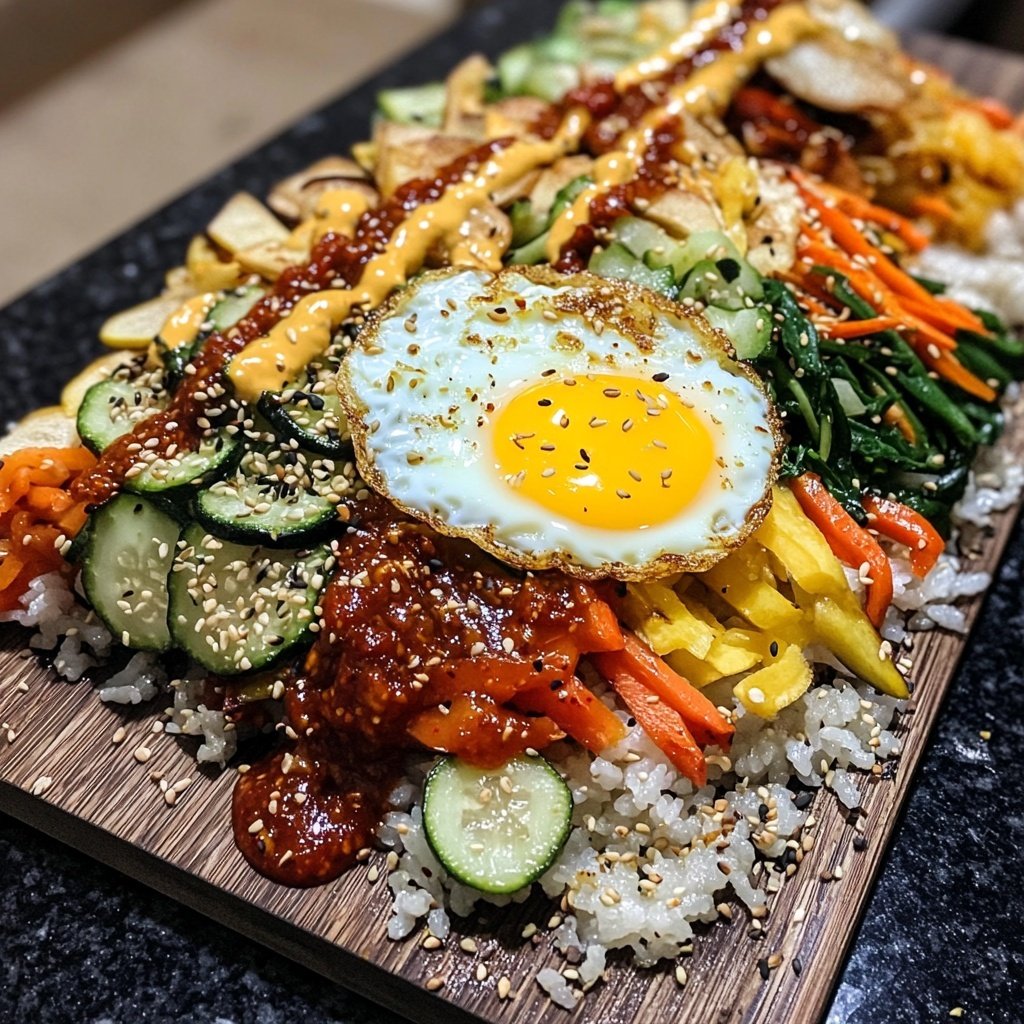
Korean Bibimbap is more than just a meal; it's a colorful representation of Korean culture. This dish combines rice with assorted vegetables, protein, and a spicy gochujang sauce, making it both nutritious and satisfying.
Why You'll Love This Recipe
- A harmonious blend of fresh vegetables and protein
- Customizable to suit any taste preference
- Gochujang adds a delightful kick that elevates the dish
The Essence of Bibimbap
Bibimbap, which translates to 'mixed rice,' is a quintessential Korean dish known for its vibrant presentation and rich flavors. Each ingredient in bibimbap serves a purpose, contributing to both the taste and the nutritional profile of the meal. The combination of fresh vegetables, savory proteins, and the unique spiciness of gochujang creates a delightful balance that makes each bite satisfying. This dish not only pleases the palate but also offers a feast for the eyes, making it a popular choice for family gatherings and celebrations.
Traditionally, bibimbap is served in a hot stone bowl, allowing the rice to develop a crispy crust at the bottom, known as nurungji. This not only adds texture but enhances the overall dining experience. However, whether served in a bowl or on a plate, the essence of bibimbap remains the same—a harmonious mix of flavors that can be enjoyed at any time of the day.
Customizing Your Bibimbap
One of the best aspects of bibimbap is its versatility. You can easily customize it to suit your taste preferences or dietary restrictions. If you prefer a vegetarian option, simply omit the eggs or replace them with tofu for added protein. For meat lovers, grilled chicken, beef, or pork can be excellent additions that complement the dish's flavors. The variety of vegetables also means you can use whatever is in season or available in your refrigerator, making it a great way to reduce food waste.
Feel free to experiment with different sauces as well. While gochujang is the traditional choice, you can try mixing it with other condiments like soy sauce or sesame oil to create a personalized taste. The key is to maintain the balance of flavors, ensuring that each component shines while contributing to the overall dish.
Nutritional Benefits of Bibimbap
Korean Bibimbap is not just delicious; it's also packed with nutritional benefits. The dish is rich in vitamins and minerals thanks to the assortment of vegetables included, such as spinach, bean sprouts, and carrots. These ingredients are high in fiber, which aids digestion and keeps you feeling full longer. Additionally, the use of healthy fats from sesame oil contributes to heart health, while the protein from eggs or meat helps in muscle repair and growth.
Moreover, bibimbap can be a balanced meal that provides carbohydrates from rice, proteins, and healthy fats, making it ideal for anyone looking to maintain a healthy diet. Whether enjoyed as a quick lunch or a hearty dinner, bibimbap offers a nourishing option that supports your overall well-being.
Ingredients
For the Bibimbap
- 2 cups cooked rice
- 1 cup spinach, blanched
- 1 cup bean sprouts, blanched
- 1 cup mushrooms, sliced
- 1 carrot, julienned
- 1 zucchini, julienned
- 4 eggs
- 1/4 cup gochujang (Korean hot pepper paste)
- 2 tablespoons sesame oil
- 1 tablespoon soy sauce
- 1 tablespoon sesame seeds
- Salt to taste
Mix and match vegetables according to your preference!
Instructions
Prepare the Vegetables
Blanch spinach and bean sprouts in boiling water for about 2 minutes. Drain and set aside. Sauté mushrooms, carrots, and zucchini in sesame oil until tender.
Cook the Eggs
Fry eggs sunny-side up in a non-stick skillet until the whites are firm but the yolks are still runny.
Assemble the Bibimbap
In a bowl, place a serving of rice and arrange the sautéed vegetables, spinach, and bean sprouts on top. Add the fried egg in the center.
Add Sauce and Serve
Drizzle with gochujang and sesame oil, sprinkle with sesame seeds, and season with salt. Mix everything together before eating.
Enjoy your homemade Korean Bibimbap!
Pro Tips
- Experiment with different vegetables like radishes or bell peppers for added color and flavor.
Tips for Making Perfect Bibimbap
To achieve the best flavor and texture in your bibimbap, be sure to properly prepare each ingredient. Blanching vegetables like spinach and bean sprouts not only enhances their color but also retains essential nutrients. Sautéing mushrooms and other vegetables in sesame oil infuses them with a rich nutty flavor, elevating the dish significantly. Additionally, consider using short-grain rice for an authentic texture that sticks together beautifully.
When frying the eggs, aim for sunny-side up with runny yolks for a creamy contrast to the other ingredients. If you prefer a firmer yolk, you can cook them longer or opt for poached eggs. Remember, the presentation is key; arrange the ingredients artfully in the bowl to make your bibimbap visually appealing.
Serving Suggestions
Bibimbap can be served as a standalone meal, but it also pairs well with various side dishes, known as banchan, such as kimchi, pickled radish, or fried tofu. These sides add complexity and depth to your meal, enhancing the overall dining experience. For a refreshing drink, consider serving traditional Korean barley tea or a chilled cucumber drink to balance the dish's spiciness.
For a festive occasion, you can elevate your bibimbap by serving it in individual stone bowls and allowing guests to mix their own ingredients. This interactive experience not only makes for a fun meal but also encourages everyone to customize their bowl to their liking.
Questions About Recipes
→ Can I make Bibimbap vegetarian?
Absolutely! Just omit the eggs or replace them with a tofu scramble.
→ What can I substitute for gochujang?
You can use sriracha mixed with a little miso paste if you can't find gochujang.
→ How do I store leftovers?
Store leftovers in an airtight container in the fridge for up to 3 days.
→ Can I use brown rice instead of white rice?
Yes, brown rice is a great alternative for added fiber and nutrients.

Korean Bibimbap
Created by: Aileen Prescott
Recipe Type: Traditional Recipes
Skill Level: Intermediate
Final Quantity: 4 servings
What You'll Need
For the Bibimbap
- 2 cups cooked rice
- 1 cup spinach, blanched
- 1 cup bean sprouts, blanched
- 1 cup mushrooms, sliced
- 1 carrot, julienned
- 1 zucchini, julienned
- 4 eggs
- 1/4 cup gochujang (Korean hot pepper paste)
- 2 tablespoons sesame oil
- 1 tablespoon soy sauce
- 1 tablespoon sesame seeds
- Salt to taste
How-To Steps
Blanch spinach and bean sprouts in boiling water for about 2 minutes. Drain and set aside. Sauté mushrooms, carrots, and zucchini in sesame oil until tender.
Fry eggs sunny-side up in a non-stick skillet until the whites are firm but the yolks are still runny.
In a bowl, place a serving of rice and arrange the sautéed vegetables, spinach, and bean sprouts on top. Add the fried egg in the center.
Drizzle with gochujang and sesame oil, sprinkle with sesame seeds, and season with salt. Mix everything together before eating.
Extra Tips
- Experiment with different vegetables like radishes or bell peppers for added color and flavor.
Nutritional Breakdown (Per Serving)
- Calories: 500 kcal
- Total Fat: 20g
- Saturated Fat: 5g
- Cholesterol: 180mg
- Sodium: 600mg
- Total Carbohydrates: 70g
- Dietary Fiber: 5g
- Sugars: 5g
- Protein: 15g