Homemade Croissants Step By Step
Highlighted under: Soft Recipes
Making homemade croissants has been a delightful journey for me. I never realized how rewarding it could be to produce my own flaky pastries from scratch. There’s something magical about the process of creating layers of buttery goodness. I’ve experimented with different techniques and found that patience is key, especially during the resting phases. The aroma that fills the kitchen as they bake is simply irresistible, and the satisfaction of seeing them rise perfectly golden is truly one of a kind.

As I embarked on making my first batch of croissants, I was a mix of excitement and nervousness. I learned the importance of maintaining the right temperature for the dough. Too warm, and it would lose its structure; too cold, and the butter wouldn't meld properly. I found that using a marble countertop helps keep everything cool.
After several trials, I discovered the power of lamination—carefully folding and rolling the dough with butter creates those beautiful flaky layers. It takes time, but the result is worth every minute when they come out of the oven golden brown and crisp.
Why You'll Love This Recipe
- Flaky layers that melt in your mouth
- Rich, buttery flavor that's unmatched
- Fresh aroma filling your kitchen
Understanding Lamination
Lamination is the process that gives croissants their characteristic flaky layers. By encasing butter in dough and rolling it out repeatedly, you create multiple layers of dough and butter. Each time you do this, you’re developing the structure of the croissant, which is essential for achieving that melt-in-your-mouth texture. It’s crucial to keep the butter cold during this process; if it melts into the dough, you’ll lose that beautiful layering effect and end up with dense pastries.
When you roll out the dough, aim for a thickness of about 1/4 inch. If you notice that the dough is springing back, let it rest for a few minutes to relax the gluten. This relaxation is essential because it makes rolling easier and prevents the dough from becoming tough. A well-laminated croissant will puff up beautifully in the oven, creating the signature airy crumb.
Perfecting Proofing
Proofing is the stage where magic happens; it’s when the yeast activates and the croissants expand, resulting in a light and airy final product. For best results, proof your croissants in a warm environment, ideally around 75°F (24°C). If your kitchen is cool, you could create a warm spot by turning the oven on briefly and then turning it off before placing the tray inside. It’s important not to rush this process; allowing the croissants to double in size ensures that they achieve optimal rise during baking.
Visual cues, such as puffiness and a soft texture, indicate that your croissants are properly proofed. If they don’t seem to be rising adequately, check the freshness of your yeast. Sometimes, older yeast can lead to lackluster results. Patience during the proofing stage is key to achieving that light and airy texture — don’t skip it!
Egg Wash for the Perfect Finish
Applying an egg wash before baking gives your croissants a glossy, golden crust that is visually appealing and inviting. To make the egg wash, whisk together one egg and one tablespoon of milk until well combined. It’s best to apply the egg wash gently with a pastry brush, taking care not to deflate the croissants. This step not only boosts visual appeal but also promotes even browning during baking.
If you’re looking for variations in flavor, consider adding a pinch of salt to the egg wash or try using cream instead of milk for extra richness. Another delightful twist is to sprinkle some coarse sea salt on top of the croissants just before baking. This contrast between flaky pastry and a hint of salt enhances the overall flavor, making each bite even more enjoyable.
Ingredients
Gather these ingredients to start your croissant journey:
Dough Ingredients
- 500g all-purpose flour
- 10g salt
- 50g sugar
- 10g instant yeast
- 300ml cold water
- 250g unsalted butter (for laminating)
Egg Wash
- 1 egg
- 1 tablespoon milk
Make sure all ingredients are at the correct temperature for the best results.
Instructions
Follow these steps to create your croissants:
Prepare the Dough
In a bowl, combine flour, salt, sugar, and yeast, then gradually add cold water. Knead until smooth. Let it rest for 1 hour.
Laminating the Butter
Flatten the butter between two sheets of parchment paper into a square and refrigerate. Roll the dough into a rectangle, place the butter in the center, and fold the edges over.
Rolling and Folding
Roll out the dough into a larger rectangle and fold it into thirds. Repeat this rolling and folding process three times, chilling the dough in between.
Cutting and Shaping
Roll the dough into a large rectangle and cut it into triangles. Roll each triangle from the wide end toward the tip to form croissants.
Proofing
Place croissants on a baking tray lined with parchment. Allow them to proof for 2 hours until they have doubled in size.
Baking
Preheat your oven to 400°F (200°C). Mix the egg wash ingredients, brush over the croissants, and bake for 15-20 minutes until golden.
Let the croissants cool slightly before enjoying!
Pro Tips
- Ensure your butter is firm but pliable for the perfect lamination. Don’t skip the resting times
- they’re crucial for achieving flaky layers.
Storage and Freezing Tips
If you plan to make croissants ahead of time, consider freezing them after shaping but before proofing. Place the unproofed croissants on a baking sheet until frozen solid, then transfer them to a freezer bag. When you’re ready to bake, simply remove them from the freezer and let them proof directly from frozen; this can take about 2-3 hours depending on your kitchen temperature. This method allows you to enjoy freshly baked croissants with minimal effort later.
For baked croissants, store them in an airtight container at room temperature for up to two days. If you want to enjoy them longer, wrap them in plastic wrap and store in the freezer. To reheat, simply place them in a preheated oven at 350°F (175°C) for about 10 minutes. This method restores their flakiness and warmth, making them delightful to eat even the next day.
Troubleshooting Common Issues
If your croissants are not rising as expected, it might be due to underproofing or using inactive yeast. Always test your yeast before mixing it into your dough to ensure it’s fresh; you can do this by dissolving it in warm water with a pinch of sugar and watching for bubbles. If they flatten out too much in the oven, your dough may have been rolled too thin or not chilled enough during the lamination process. Remember, a firm but pliable dough is key.
Sometimes, you might find your croissants to be too dense. This can happen if the butter has melted into the dough during lamination or if you haven’t rolled the dough out adequately. To avoid this, keep an eye on the temperature of your butter and make sure to achieve the correct thickness while rolling. With practice, you’ll gain confidence in your lamination skills and achieve perfectly flaky croissants every time!
Questions About Recipes
→ Can I use different types of flour?
Yes, but all-purpose flour yields the best results for texture.
→ How can I store leftover croissants?
Store them in an airtight container at room temperature for up to 2 days, or freeze for longer storage.
→ What if my dough doesn't rise?
Make sure your yeast is fresh and that you're keeping the dough in a warm place during proofing.
→ Can I add fillings to my croissants?
Absolutely! You can add chocolate, almond paste, or ham and cheese after rolling the dough.
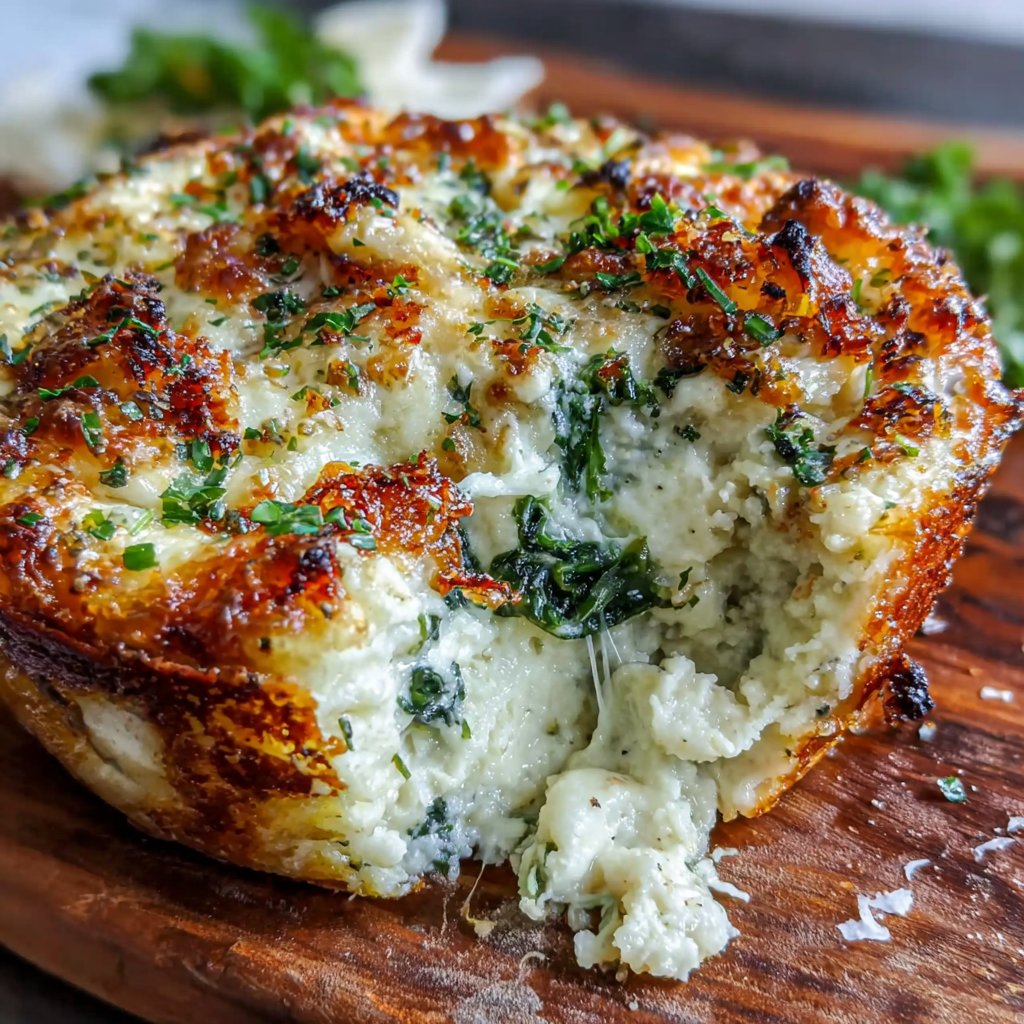
Homemade Croissants Step By Step
Created by: Aileen Prescott
Recipe Type: Soft Recipes
Skill Level: Intermediate
Final Quantity: 12 croissants
What You'll Need
Dough Ingredients
- 500g all-purpose flour
- 10g salt
- 50g sugar
- 10g instant yeast
- 300ml cold water
- 250g unsalted butter (for laminating)
Egg Wash
- 1 egg
- 1 tablespoon milk
How-To Steps
In a bowl, combine flour, salt, sugar, and yeast, then gradually add cold water. Knead until smooth. Let it rest for 1 hour.
Flatten the butter between two sheets of parchment paper into a square and refrigerate. Roll the dough into a rectangle, place the butter in the center, and fold the edges over.
Roll out the dough into a larger rectangle and fold it into thirds. Repeat this rolling and folding process three times, chilling the dough in between.
Roll the dough into a large rectangle and cut it into triangles. Roll each triangle from the wide end toward the tip to form croissants.
Place croissants on a baking tray lined with parchment. Allow them to proof for 2 hours until they have doubled in size.
Preheat your oven to 400°F (200°C). Mix the egg wash ingredients, brush over the croissants, and bake for 15-20 minutes until golden.
Extra Tips
- Ensure your butter is firm but pliable for the perfect lamination. Don’t skip the resting times
- they’re crucial for achieving flaky layers.
Nutritional Breakdown (Per Serving)
- Calories: 300 kcal
- Total Fat: 19g
- Saturated Fat: 12g
- Cholesterol: 85mg
- Sodium: 300mg
- Total Carbohydrates: 26g
- Dietary Fiber: 1g
- Sugars: 1g
- Protein: 5g